
RTDNA joins journalism organizations in calling for timely access to NYPD radio communications
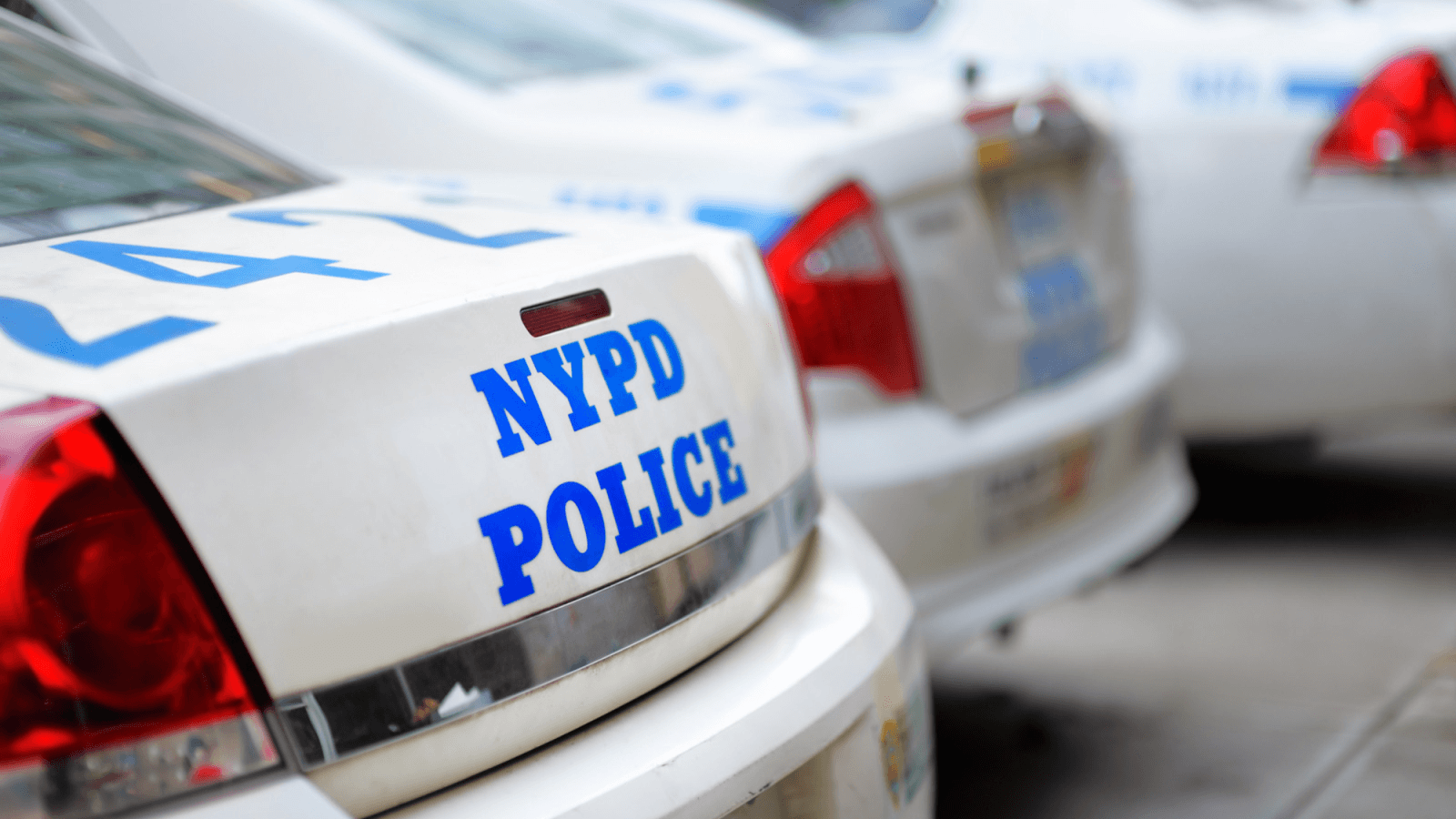
RTDNA has joined the National Press Photographers Association (NPPA), the New York Media Consortium and other journalism organizations in calling on the New York City Police Department (NYPD) to reconsider restrictions on journalists' access to encrypted police radio communications.
In a Nov. 4 letter to New York City Council Member Gale A. Brewer and supplemental comments to the NYPD, the coalition acknowledged improvements to the department's final radio encryption policy but raised concerns about delays that could prevent journalists from covering breaking news as events unfold.
The NYPD reduced its originally proposed one-hour delay to 30 minutes. While the coalition welcomed the change, it emphasized that a half-hour delay could still prevent journalists from reaching and documenting emergencies, arrests and other newsworthy incidents in real time.
The organizations are urging the NYPD to provide credentialed journalists with access to qualifying police radio communications as promptly as technically feasible, citing the importance of timely information for independent reporting and journalist safety.
The coalition also expressed support for Int. No. 1025, proposed legislation that would establish a maximum 15-minute delay and require automatic scanning capabilities. However, the organizations stressed that the 15-minute limit should serve as a maximum rather than a standard waiting period.
Additional concerns outlined in the supplemental comments include access to radio channels, credentialing and appeals procedures, privacy protections for journalists and operational testing before the system is fully implemented.
The coalition is requesting further revisions to the policy, a written explanation of the remaining delay and continued consultation with journalism organizations to ensure meaningful access to police communications.
RTDNA joins the participating organizations in supporting timely access to information that allows journalists to report independently, document public safety incidents and keep communities informed.
Read the full Nov. 4 advocacy documents: