
The arrest of journalists is a democratic alarm bell. We’re ignoring it.
By Tara Puckey, President & CEO
Let’s stop pretending this is theoretical.
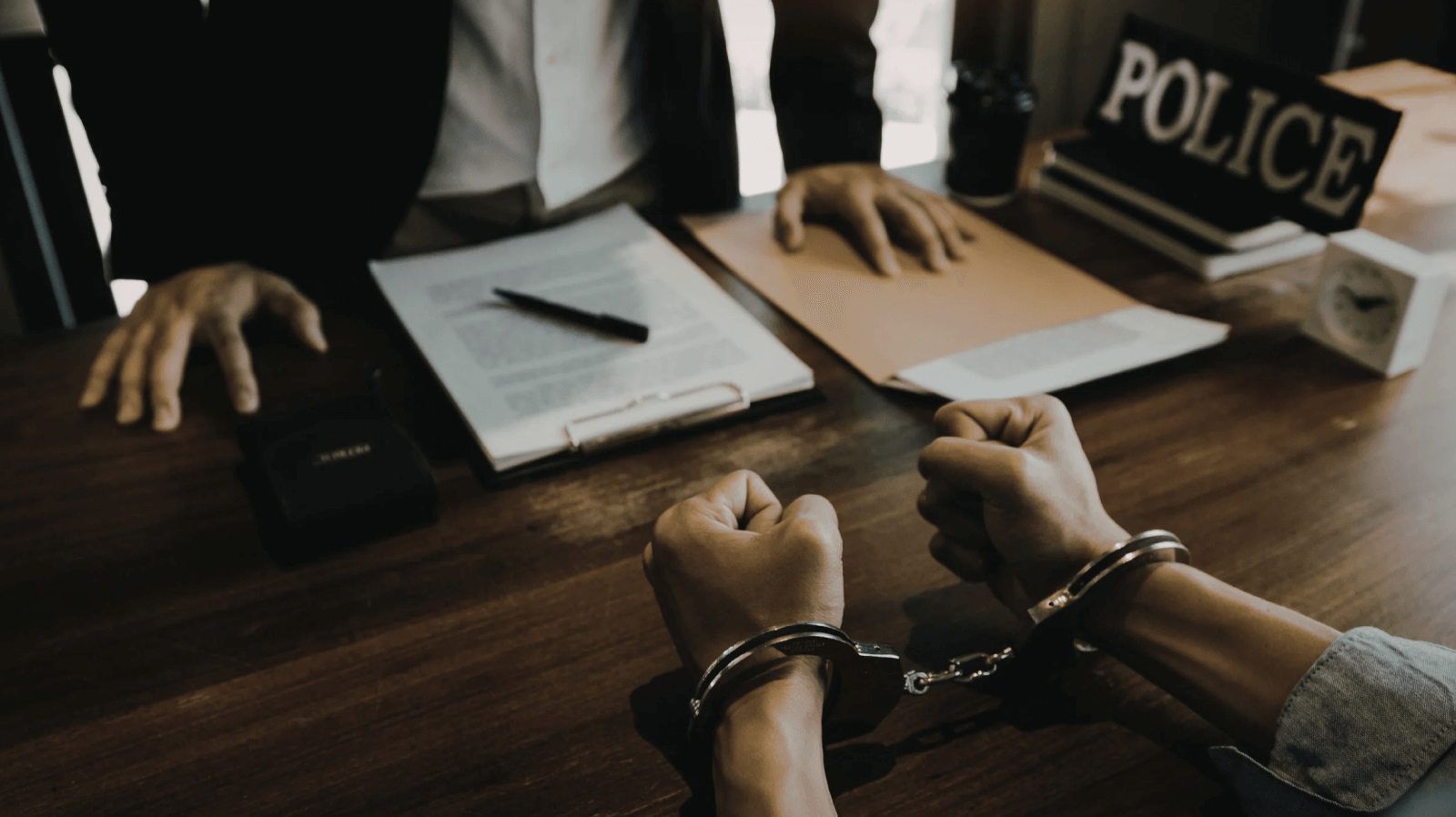
Within the last few days, two journalists were arrested while doing their jobs.
Not trespassing. Not interfering. Not inciting violence.
Reporting.
That fact alone should have stopped us in our tracks. Instead, it barely slowed the news cycle.
This is how press freedom erodes. Not with a dramatic crackdown, but with a shrug.
In recent weeks, we’ve seen journalists detained and arrested, court proceedings pushed behind closed doors, and regulatory pressure creep closer to editorial decision-making. Each incident is explained away as unique. Procedural. Technical. An exception. But taken together, they form a clear and dangerous pattern: Journalism is being treated as a threat rather than a public good.
When journalists can be arrested for covering events of public interest, the message is unmistakable. Watch yourself, think twice, decide whether the story is worth the risk.
That message doesn’t just land with reporters in handcuffs. It ripples through newsrooms everywhere, especially local ones that lack legal departments, deep pockets or national attention. Community journalism is where the damage hits first and hardest.
Local journalists are the ones sitting through zoning meetings, covering protests, attending trials and documenting how power is exercised in everyday spaces. They are closest to the public and most exposed when access is restricted or punishment becomes arbitrary.
When journalists are arrested once or twice without consequence, it feels easier for law enforcement to take this action in other cities, scenarios and spaces. When a courtroom closes itself to cameras and reporters without meaningful justification, transparency becomes optional. When regulators like the Federal Communications Commission flirt with content-based scrutiny, the line between oversight and intimidation blurs.
None of this requires an outright ban on reporting. That’s the point.
You don’t have to outlaw journalism to weaken it. You just have to make it harder, riskier, more expensive, more exhausting. Eventually, fewer people will show up. Fewer stories get told. And fewer officials feel watched.
Democracy depends on friction. Journalism provides it.
A system without scrutiny doesn’t suddenly collapse; it quietly rots. Corruption thrives in the absence of witnesses. Misinformation fills the silence left by the disappearance of trusted, trained local voices. Civic engagement withers when people no longer believe they know what’s actually happening around them.
The arrest of journalists should be unthinkable in a democracy. The fact that it’s becoming defensible — or worse, forgettable — should alarm every one of us.
This is not about politics. This is about power and accountability.
A free press does not exist to make anyone comfortable. It exists to make sure the public can see clearly. When journalists are punished for doing that work, the public is the one being kept in the dark.
If we keep treating these incidents as isolated, we guarantee a future where press freedom exists in name only — a freedom that will be restrained and shaped by intimidation and unchecked power.
By then, the damage won’t announce itself.
It will already be done.